







Why Packaging Decisions Now Decide Body Lotion Margins
Body care packaging in 2026 leans into sustainability, minimalism and reusable formats. For a brand sourcing private label skincare, the bottle or tube you choose is no longer a finishing touch—it is a line item that directly shapes unit cost, freight, shelf life and, increasingly, whether a US retailer will stock you at all. Buyers at Target, CVS, Ulta and specialty chains now ask for recyclability documentation before they issue a purchase order. Treating packaging as an afterthought is one of the most expensive mistakes new brands make, because the wrong choice locks you into higher freight, weaker claims and a likely relaunch later.
The Four Packaging Shifts Defining 2026
1. Mono-Material PET and rPET Are Becoming the Default
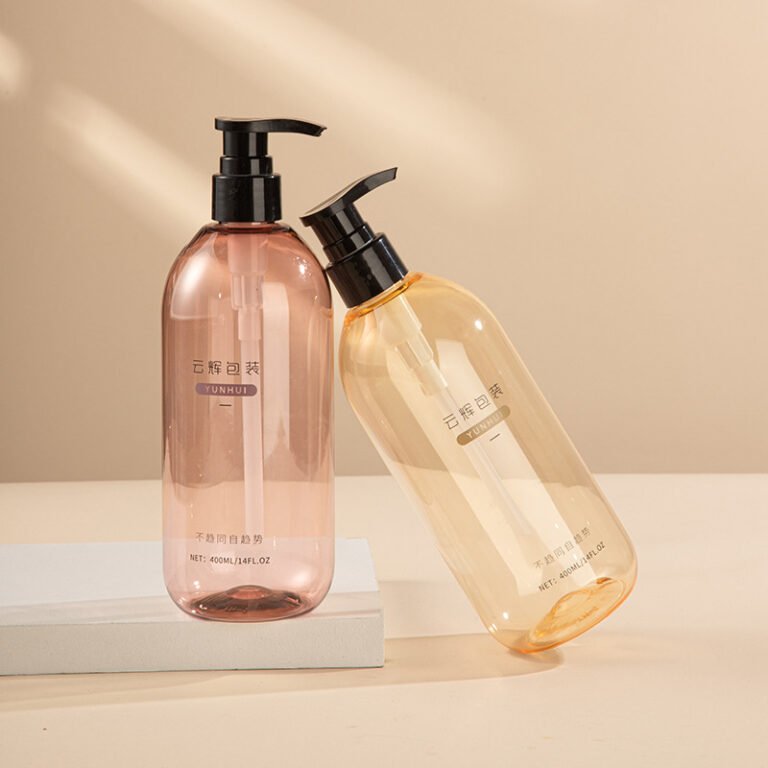
Multi-layer laminates are hard to recycle, so brands are consolidating to single-resin streams. Clear or tinted PET bottles made from 30–100% post-consumer recycled (rPET) content now account for the majority of new body lotion launches we see from US clients. The trade-off: rPET can carry a slightly grey tint and a softer feel than virgin PET, which some premium brands mask with a frosted or pearlescent finish. Expect to pay roughly $0.08–$0.22 more per bottle at low volumes versus virgin PET, narrowing to pennies above 20,000 units. Food-grade rPET suitable for cosmetics also faces supply competition with the beverage industry, so lock your resin allocation early in the year or risk a months-long wait during peak season.
2. Refill and Reusable Systems Move From Niche to Mainstream
Aluminum or glass “forever” bottles paired with pouch or tablet refills reduce plastic by 60–80% per refill cycle. For a body lotion manufacturer running contract fills, this means supporting two SKUs (the durable vessel and the refill) and tighter viscosity specs so the product pumps cleanly from both. Refills typically ship flat, cutting carton volume and ocean freight by roughly a third—real money when you import from Asia. The catch is consumer behavior: refills only deliver their environmental and margin benefit if customers actually adopt them, so the onboarding ritual has to be effortless and the refill price compelling versus buying a whole new bottle.
3. Minimalist, Label-Light Aesthetic
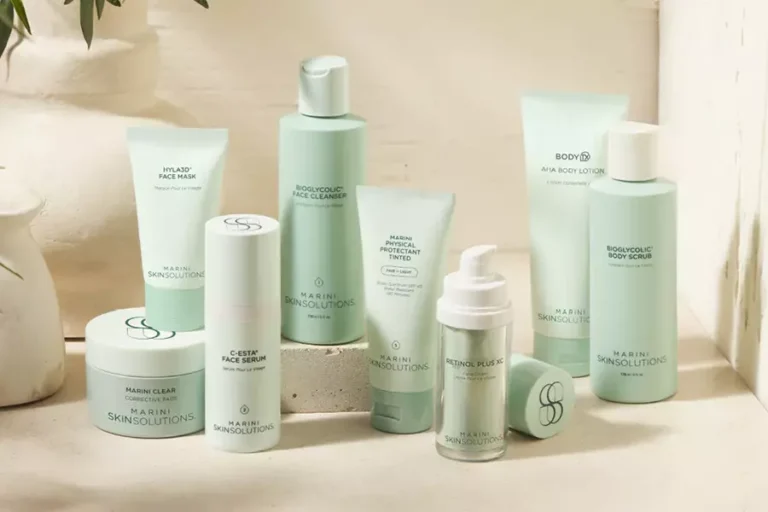
Direct-print and sleeve labeling replace heavy secondary cartons. Brands are dropping the outer box entirely for e-commerce-first products, saving $0.10–$0.30 per unit in board, glue and labor. The risk is twofold: physical damage in parcel transit and regulation. The FDA still requires certain statements (net quantity, responsible-person address, warnings) to be on the immediate container, so a carton-less design must move all mandatory copy onto the tube or bottle. A sleeve can carry that copy while keeping the bottle itself clean—often the best of both worlds for a premium look that still passes an audit.
4. Smart and Tamper-Evident Closures
Induction-sealed necks, tamper bands and QR-linked batch traceability are now baseline for US distribution. A scannable code that resolves to batch, formula version and expiration gives customer-service teams a fast answer to “is this safe?” and supports recall readiness under MoCRA. Closure choice also affects user perception: a lotion pump reads premium, a flip-cap reads value, and an airless pump protects oxygen-sensitive actives but adds $0.15–$0.40 per unit. Choosing the wrong closure for a thick butter can also jam fills and slow your line.
Material Options and What They Cost You
Matching the format to the formula protects both the product and the P&L:
- HDPE bottles—cheapest, squeezable, good for thicker lotions, recyclable in most US curbside streams.
- PET bottles—slightly clearer and more premium-feeling, excellent for rPET claims.
- Aluminum tubes and bottles—durable, infinitely recyclable, ideal for refills, higher tooling cost.
- Glass—premium but heavy; freight and breakage make it costly for body-size volumes.
- Laminated tubes—great barrier, poor recyclability; being displaced by mono-material tubes.
Each material also changes your filling speed. Thin lotions fill fast through pumps; thick butters need heated tanks and wider necks. Tell your factory the viscosity up front so they quote the right line and avoid a surprise re-tool mid-production.
Decoration: Print, Label or Sleeve
How you put your brand on the bottle matters as much as the bottle itself. Direct screen print is durable and premium but carries high setup cost and low color flexibility. Pressure-sensitive labels are cheap and fast to change between small runs. Shrink sleeves cover the whole bottle for 360-degree art but add a heating step and can complicate recycling if not mono-material matched. For a first launch, labels usually win on flexibility; for scale, print or sleeve can lower per-unit cost.
B2B Sourcing Implications: What to Negotiate
When you brief a factory, packaging is where specifications matter most. Lock these down in writing before tooling:
- Resin and recycle content—state rPET percentage and acceptable color variance.
- Closure torque and compatibility—confirm the pump or cap seals with your formula’s pH and oils.
- Deco method—screen print, label, or sleeve, each with different MOQs and lead times.
- Carton vs carton-less—decide how mandatory labeling copy is placed.
- Barrier and shelf life—confirm the package protects actives for your claimed period.
MOQ is the gate. Custom molds often start at 5,000–10,000 pieces; stock bottles can run from 1,000. Read our guide on understanding MOQ in OEM cosmetics before you commit, because packaging MOQ usually sets the floor for your whole first order and dictates how much cash you tie up before a single unit sells.
Avoiding Greenwashing Risk
The FTC’s Green Guides and state laws (notably California) police vague environmental claims. “Recyclable” is defensible only if a meaningful percentage of US consumers have access to that recycling stream; “made with recycled content” should state the percentage; “compostable” implies industrial composting access. Build claims from supplier attestations, not aspiration, and keep the paperwork. Our sustainable packaging solutions guide maps which options actually support which claims so your marketing survives scrutiny.
Regional Differences: US vs EU
If you ever sell in Europe, the EU Packaging and Packaging Waste Regulation pushes recycled-content minimums and reuse targets that exceed US norms. Designing one rPET-heavy, mono-material package that satisfies both markets is usually cheaper than maintaining two. Ask your factory whether their tooling can serve both regions before you commit to a US-only mold you will outgrow.
Cost and Compliance Checklist
- Request recyclability certification (e.g., How2Recycle or PCR attestation) from the supplier.
- Verify the closure is induction-seal compatible if you sell through US retail.
- Map every FDA-required statement onto the primary container if you drop the carton.
- Sample-ship the filled package to a 3PL to confirm it survives parcel transit.
- Confirm the sustainable option available from your partner meets your specific claim.
Choosing the right partner matters as much as the bottle itself. Our guide to choosing a body lotion manufacturer in China walks through the audits and questions that separate a packaging-capable factory from one that will stall your launch. And check what ISO 22716 means for your brand—the standard governs how hygienically your packaging line is run and how reliably your fills are dosed.
Build Your Launch With Confidence
Packaging in 2026 rewards brands that plan early and spec precisely. Qianlan runs GMP-certified body lotion contract manufacturing lines covering rPET, refill and carton-less formats, with full documentation for US market entry. Talk to our team about a packaging-ready formula and a realistic first-order MOQ so your launch ships clean, compliant and on budget.