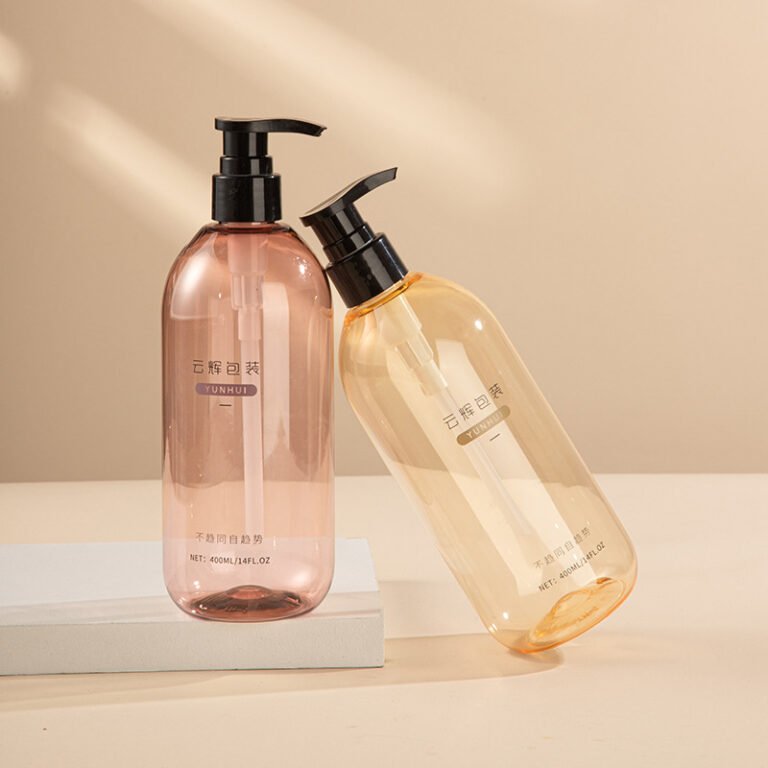









Sustainable packaging is no longer a niche differentiator for body care — it is becoming a baseline expectation from consumers, retailers, and regulators. For a body lotion brand, packaging is also the largest single component of your physical footprint and often 30 to 50 percent of landed unit cost. This guide compares the realistic sustainable options for lotions, the trade-offs in cost and protection, and how to make claims you can actually defend in the US market.
Why Packaging Matters More for Lotions
Body lotion is a high-volume, low-unit-value product shipped in water-heavy formulas. That means packaging weight and material choice drive both carbon and cost more than for a serum. A 200 ml PET bottle, pump, cap, and carton can weigh 40 to 70 grams; switching material or eliminating the carton changes the per-shipment footprint materially, and at 10,000 units those grams become tonnes.
Option 1: PCR and Recycled Plastics
Post-consumer recycled (PCR) PET is the most common first step. At 30 to 100 percent PCR content it cuts virgin plastic use without changing the filling line. Trade-offs: higher cost (PCR resin often 10 to 30 percent above virgin), slight color tint at high ratios, and supply variability. Most brands land at 50 to 70 percent PCR as the sweet spot for cost and story, and they document the percentage with supplier certificates.
Option 2: Glass and Aluminium
Glass and aluminium offer premium recyclability and a luxury feel, and both have high post-recycle value. They suit a prestige body cream or butter. Trade-offs: heavier (higher freight emissions and cost), breakage risk requiring protective packaging, and higher MOQ for custom molds. Use them where the brand tier justifies the footprint and freight, not as a default for every SKU.
Option 3: Mono-Material and Refill Designs
Mono-material structures — a single resin type for bottle and cap — simplify curbside recycling versus multimaterial pumps that confuse sortation. Refill pouches and refillable jars cut per-use packaging by 60 to 80 percent. Our packaging trends in body care 2026 report tracks how mono-material and refill formats are moving from pilot to mainstream across US retailers.
Option 4: Reduced and Plastic-Free Decoration
- Eliminate the outer carton where regulations allow, saving paper and weight on every unit.
- Direct-print or sleeve-label instead of glued wraps that hinder recycling.
- FSC-certified paper for any remaining literature so the fiber is responsibly sourced.
Cost Premium by Option
As a rough planning guide, expect PCR at 50 percent to add 5 to 15 percent to packaging cost, glass to add 30 to 80 percent versus PET, and refill systems to cut recurring packaging cost but raise upfront design spend. The right choice balances your price tier, your margin, and the strength of the sustainability claim you want to make.
Regulatory Pressure: EPR and Plastic Taxes
US states are rolling out extended producer responsibility (EPR) fees and plastic taxes that shift end-of-life cost back to brands. California, Colorado, and Maine have enacted packaging EPR programs, and more states are following. Designing for recyclability now reduces future fee exposure and keeps you ahead of compliance rather than scrambling after it passes.
How to Make Claims You Can Defend
“Recyclable,” “compostable,” and “eco-friendly” are increasingly regulated terms. To avoid greenwashing exposure:
- Specify PCR percentage and resin source in supplier documentation.
- Use recognized frameworks such as How2Recycle labels and ISO 14021 for self-declared claims.
- Avoid absolute “zero waste” language without full lifecycle evidence.
- Align packaging claims with broader brand proof, such as our cruelty-free and vegan certification guide, so the sustainability story is consistent end to end.
Choosing a Manufacturer Who Can Deliver
Sustainable packaging fails at the sourcing stage if your factory cannot qualify PCR resin, manage color at high PCR ratios, or handle glass filling without breakage. Vetting matters: our guide on how to choose a body lotion manufacturer in China includes packaging-capability questions to ask before you commit, so you do not discover the limitation after tooling is paid for.
A Sustainable Packaging Checklist
- Set a PCR or recycled-content target with a supplier who can document it.
- Decide glass or aluminium only where tier and freight allow.
- Design for mono-material recycling or a refill path.
- Remove non-essential cartons and switch to FSC paper.
- Prepare claim substantiation before the listing goes live.
Calculating Your Packaging Carbon
To make a credible claim you need a number, not a slogan. Start with material weight per unit, multiply by your annual volume, and apply the resin’s production footprint (virgin PET is roughly 2.1 kg CO2e per kg; recycled PET is about 30 to 50 percent lower; aluminium and glass are higher in production but often lower across multiple reuse cycles). Factor freight — heavier glass raises transport emissions — and end-of-life recycling rate. This simple model tells you whether a switch actually reduces footprint or merely shifts the burden from material to transport.
Supplier Questions That Separate Real From Greenwash
- Can you provide mill certificates showing PCR content and origin?
- Do you run color-match at 70 to 100 percent PCR without additives I must disclose?
- Can your line fill glass without breakage above an agreed threshold?
- Will you document mono-material compatibility with local US recyclers?
- Can you supply How2Recycle or ISO 14021-ready claim language?
Phasing the Transition
You do not need to change every SKU at once. Phase sustainability: move your highest-volume hero lotion to 50 percent PCR first, pilot a refill for your bestseller, then extend mono-material and FSC paper across the range as contracts renew. A phased plan spreads cost, lets you test consumer response, and gives you real data for the claims you publish — which is exactly what regulators and retailers now expect.
Refill Economics
Refill formats are often dismissed as costly, but the math favors them at scale. A rigid refill jar or pouch uses 60 to 80 percent less material than a full bottle-plus-pump, and the customer reuses the original. Even if you discount the refill 15 percent versus the full format, the lower packaging cost and higher repeat rate typically lift category margin. The challenge is logistics — refills need their own listing, storage, and a clear instruction — so model the fulfillment overhead before committing rather than after.
Communicating on the Label
How you phrase the claim matters as much as the material. “Bottle made with 50% post-consumer recycled plastic” is specific and defensible; “eco-friendly bottle” is vague and risky. Put the measurable claim on the primary label, add a How2Recycle mark where eligible, and reserve storytelling for the secondary carton or PDP. Specific, quiet claims build more trust with today’s skeptical buyer than loud green language.
Avoiding Greenwashing Penalties
Regulators including the US FTC (via its Green Guides) and the EU are tightening rules on environmental claims, and platforms like Amazon now flag non-compliant sustainability language. The safe path is evidence-first: choose a claim, gather the documentation, then publish. If you cannot substantiate “compostable” or “ocean-safe” with third-party testing, do not use it. A defensible 50 percent PCR claim outperforms an unprovable “green” slogan that later triggers a complaint, a listing flag, or a fine.
Make sustainability real, not just a label. Qianlan, a GMP-certified China body lotion factory, sources certified PCR resin, runs glass and mono-material filling lines, and documents material claims for US market entry. Contact our team to design a packaging spec that protects the product and the planet — on a budget that works.