







Body Care Is Borrowing From Facial Skincare
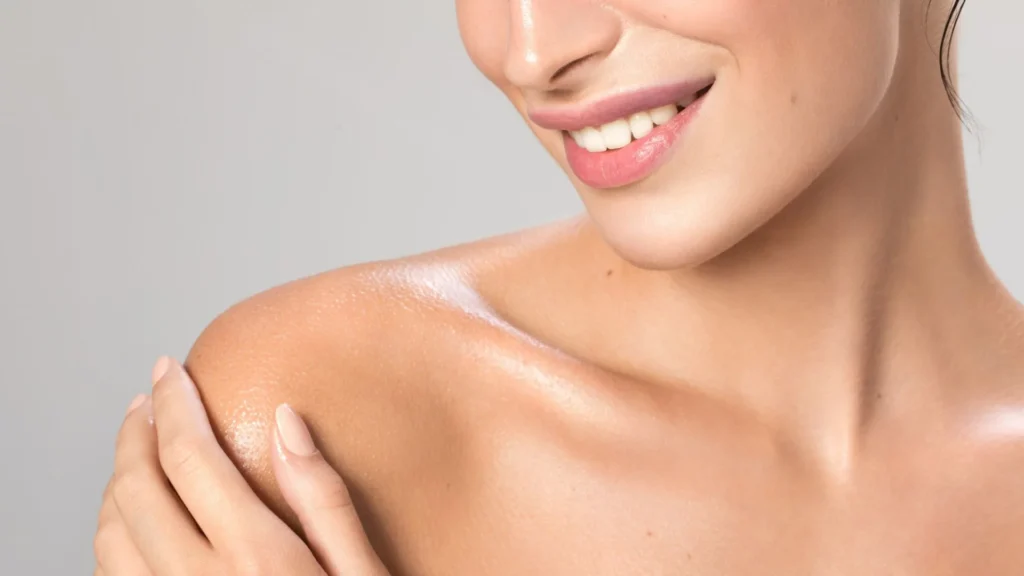
Body care is borrowing from facial skincare, with smarter, more personalized formats emerging. The old hierarchy—face gets the actives, body gets the basic moisturizer—is collapsing. In 2026 US buyers expect the same ingredient sophistication below the neck that they demand on their faces. For brands and their body lotion manufacturer partners, that shift rewrites both formula strategy and the sourcing conversation, because actives are harder to stabilize at body-use volumes and frequencies, and the margin for error is thinner than in a 30 ml serum.
Trend 1: Active-Led Body Formulas
Retinol, peptides, niacinamide and alpha hydroxy acids are migrating into body lotions and serums. The body is now a canvas for targeted results: smoothing, brightening, firming. The formulation challenge is tolerance—body skin is thicker but users apply more liberally over a larger area, so pH, concentration and buffer systems need rebalancing versus facial products. Brands win by being specific about the active and the proof, not by sprinkling a hero ingredient at a token level that a lab test would expose.
The Role of Humectants Like Hyaluronic Acid
Hydration is the anchor of every body claim, and hyaluronic acid has become the reference humectant. Our deep dive on hyaluronic acid in body lotion explains why molecular weight matters: low-weight fractions pull moisture into deeper layers, high-weight fractions sit on top for surface slip. A smart 2026 formula stacks both for immediate and lasting feel, and pairs them with glycerin for cost-efficient baseline hydration.
Trend 2: Texture as a Differentiator
With actives commoditized, texture is the new battleground. Whipped butters, fast-absorbing gels, milks and oil-in-water serums each signal a different use moment—morning rush versus evening ritual. Texture is also a manufacturing spec: rheology modifiers, emulsifier choice and fill temperature all determine whether the product feels premium or greasy. Review our body lotion texture guide to brief your factory precisely, because “light but rich” is not a spec a lab can hit without numbers like viscosity in centipoise and rub-out time in seconds.
Trend 3: Personalization and Modularity
Personalization is moving from quiz-led marketing to actual format modularity: base lotions plus add-in ampoules, or concentrate pods the user activates. For a contract manufacturer this raises batch-control complexity but lowers the brand’s risk—one base, many endpoint claims. It also changes MOQ math, making custom vs stock formulation decisions more nuanced than ever, since a modular base can serve several sub-brands from one production campaign and stretch your working capital further.
Trend 4: Waterless and Solid Formats
Waterless balms, bars and concentrates shrink freight and preservative load while screaming sustainability. A solid body lotion bar ships at a fraction of the weight of a bottled lotion and needs little or no preservative. The trade-off is user education and a different texture expectation; brands that succeed pair the bar with a clear “how to use” ritual. For manufacturers, waterless lines reduce microbial risk on the line—a quiet compliance advantage under MoCRA’s safety-substantiation expectations.
Trend 5: Skinification and Routine Selling
Routine-led selling—exfoliate, treat, moisturize, protect—is spreading to the body. Brands are launching multi-step body systems rather than single hero lotions. This expands cart size and repeat purchase but demands a manufacturer who can run several related SKUs on one line without cross-contamination or actives drift between batches. Plan the line as a system from the start so the textures and fragrances ladder coherently.
Trend 6: Sensory and Mood
Body care is increasingly sold on mood: calming scents, cooling finishes, gentle warmth. These are formulation features—encapsulated fragrances, menthyl lactate, ginger extract—that a capable lab can dial in. The boundary with drug claims is sharp here, so keep sensory language cosmetic and avoid disease-language that would attract FDA drug oversight and undo your launch plan.
Trend 7: Sustainable Performance
The sustainability story is converging with performance: biodegradable emollients, water-light concentrates that ship denser, and refill systems. This dovetails with the broader shift covered in our 2026 body care packaging trends article. The winners pair a credible eco claim with a texture and result users actually feel, not one at the expense of the other, because shoppers will not repurchase a “sustainable” lotion that fails to moisturize.
Trend 8: Inclusive Textures and Tones
Body care is widening to serve more skin tones and textures, including post-shave, keratosis pilaris and melanin-rich skin needs. Ingredients like urea, lactic acid and niacinamide are resurfacing as body-specific solutions. This is a content and formulation opportunity: brands that name the real concern beat those that stay generic, and a manufacturer comfortable with these actives becomes a strategic asset.
What This Means for Your Brief to a Manufacturer
Each of these trends changes what you ask a factory to do. Active-led formats require a lab comfortable with pH-sensitive actives and challenge testing. Texture differentiation requires rheology specs and pilot batches. Modularity requires flexible batching and clean changeovers. Waterless formats require different equipment than emulsions. Bring this list to your first call so the factory can tell you, honestly, which trends it can deliver and which would need new tooling. A manufacturer that overpromises all eight trends is a risk; one that names its real strengths is a partner. Our manufacturer selection guide helps you vet those claims before you sign.
Mapping Trends to Your First SKUs
- Start with one hero active lotion to prove the active-led angle.
- Add a texture variant (gel vs cream) to widen the range without new actives.
- Pilot one waterless or refill format as a sustainability story, not the volume play.
- Reserve personalization for year two once the base sells and data confirms demand.
Speed, Shelf Life and Inventory
Active-led and clean-leaning body formulas often have shorter shelf lives than traditional paraben-protected lotions. Build that into your inventory plan: smaller, more frequent production runs beat one giant run that ages on a warehouse shelf. This also dovetails with lower MOQs discussed in our MOQ guide, letting you refresh formulas each season as trends move. A brand that relaunches actives annually stays relevant; one that commits to a three-year run risks looking dated by year two.
Measuring Trend ROI
Not every trend deserves a SKU. Score each by three filters: margin impact, speed to market, and defensibility. An active-led lotion scores high on margin and defensibility but needs lab time; a refill format scores high on story but low on near-term volume. Rank your trends this way and you fund the ones that pay back, instead of chasing all eight and spreading the launch thin. A focused two-trend launch almost always outsells a scattered eight-trend one, and it is far easier for a contract manufacturer to execute well.
What B2B Buyers Should Do Now
- Audit your formula pipeline for facial-grade actives already proven safe at body-use rates.
- Specify texture targets numerically (viscosity, spreadability, absorption time).
- Design for modularity so one base supports several claims and SKUs.
- Pressure-test your factory’s ability to run related SKUs cleanly on one line.
- Decide where waterless or solid formats fit your sustainability narrative.
The future of body care rewards brands that think like facial-skincare houses. Qianlan is a GMP-certified body lotion manufacturer ready to formulate active-led, texture-precise lines for the US market. Reach out to prototype your 2026 body care range with a partner who can scale it.