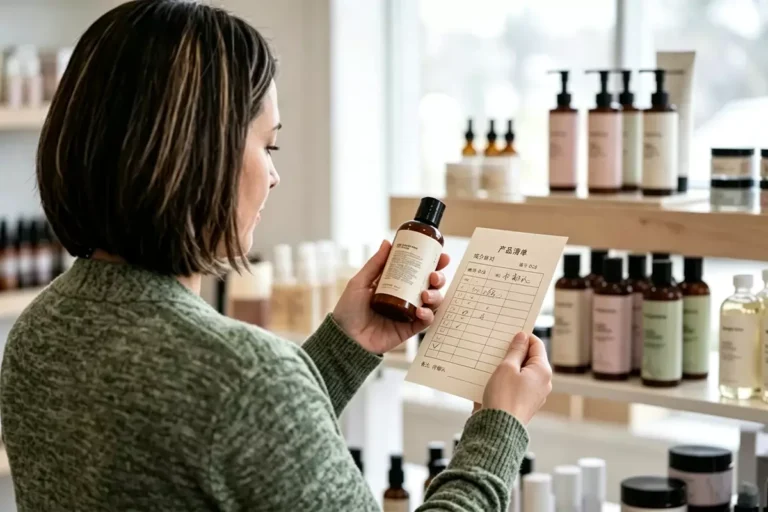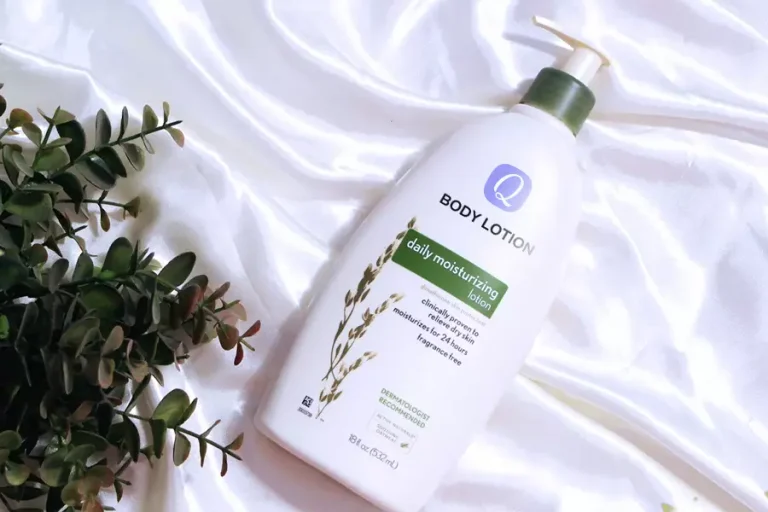







You have spent months developing a body lotion with your manufacturer. The texture is perfect, the scent is dialed in, and early customers love it. Then you decide to switch suppliers — and discover that you do not actually own the formula you built your brand on. This scenario plays out constantly in private label skincare, and it is almost always avoidable. Understanding who owns what, and putting the right agreements in place before development starts, is one of the most important commercial decisions a brand founder will make when working with a body lotion manufacturer in China or anywhere else in the world.
Why Formula Ownership Matters More Than Most Buyers Realize
A body lotion formula is more than a list of ingredients. It is the precise combination of raw material grades, percentages, processing temperatures, mixing sequences, and preservation strategy that produces a repeatable, stable, compliant product. That know-how has real commercial value:
- Supplier independence. If you own the formula, you can move production to another factory when pricing, capacity, or quality issues arise. If you do not, you start from zero.
- Brand equity and exit value. Acquirers and investors ask about formula ownership during due diligence. A brand whose hero product formula is owned by a third-party factory is worth measurably less.
- Consistency. Ownership typically comes with documentation — the master formula, specifications, and process parameters — which makes batch-to-batch consistency auditable rather than a matter of trust.
- Protection from lookalikes. Without exclusivity terms, nothing prevents the same stock formula from being sold to a dozen competing brands with different labels.
The Three Ownership Models in Body Lotion Manufacturing
Nearly every commercial arrangement falls into one of three models. Knowing which one you are entering — before you sign anything — prevents most disputes.
1. Stock (Open-Book) Formulas: The Factory Owns Everything
Stock formulas are pre-developed lotions that a factory offers to any customer. You choose a base, perhaps adjust the fragrance and packaging, and go to market quickly with a low minimum order quantity. This is the fastest and cheapest route, and for many startups it is genuinely the right one. But be clear-eyed about the trade-off: the factory owns the formula outright. You are licensing access to it through your purchase orders, nothing more. The same base may appear under other brands, and if you leave, the formula stays behind. We cover this trade-off in depth in our comparison of custom formulation versus stock formulas.
2. Custom Development Funded by the Factory: Shared or Factory Ownership
Here the manufacturer’s R&D team develops a formula to your brief, but the factory absorbs the development cost, recovering it through your production orders. Because the factory invested its own laboratory time and raw material trials, it typically retains ownership of the resulting formula — sometimes with an exclusivity clause that prevents it from selling that exact formula to others for a defined period or within defined markets. This middle path is extremely common in OEM body lotion projects. The critical detail is the exclusivity language: its scope (exact formula only, or close variants too?), its duration, and what happens if your order volumes fall below agreed thresholds.
3. Paid Custom Development: The Brand Owns the Formula
If you pay a formal development fee — typically ranging from a few thousand dollars for a straightforward emulsion to significantly more for complex actives-driven products — you can negotiate outright ownership. The deliverable should be a complete technology transfer package: the quantitative formula (every ingredient with INCI name, trade name, supplier, and exact percentage), the manufacturing process instructions, specifications, and the stability and preservative efficacy data generated during development. Ownership without documentation is theoretical. If the factory cannot or will not hand over the full package, you do not really own anything.
What Your NDA Must Actually Cover
Most buyers ask for a non-disclosure agreement, but many NDAs signed in cross-border manufacturing are close to useless because they are drafted for the wrong jurisdiction or omit the terms that matter. For manufacturing relationships, experienced buyers use an NNN-style agreement — non-disclosure, non-use, and non-circumvention:
- Non-disclosure stops the factory from sharing your briefs, formulas, and business information with third parties.
- Non-use stops the factory from using your proprietary information for its own benefit — for example, developing a similar product for another client based on your consumer insights and brief.
- Non-circumvention stops the factory from bypassing you to sell directly to your customers or distributors.
Three practical points: the agreement should be enforceable in the manufacturer’s home jurisdiction (for Chinese factories, that generally means a Chinese-law agreement with a Chinese-court venue), it should name a specific and meaningful damages figure, and it should be signed before you share your product brief — not after development is complete. A reputable manufacturer will not resist a fair NNN agreement; hesitation here is itself useful audit information, which is why contract and IP questions appear prominently in our body lotion manufacturer audit checklist.
Negotiating Ownership and Exclusivity: A Practical Playbook
When you brief a manufacturer on a custom project, put IP on the table in the first commercial conversation, alongside price and MOQ. Key negotiating levers:
- Pay for what you want to own. Factories are rational: if they fund development, they keep the asset. Offering a development fee — even a partial one credited against future orders — changes the ownership conversation immediately.
- Define the formula precisely. Ownership clauses should reference a numbered, version-controlled formula document, not a vague product description. Specify whether minor variants (fragrance changes, colorant swaps) fall under the same ownership.
- Tie exclusivity to volume, transparently. If you cannot secure ownership, negotiate exclusivity: the factory agrees not to supply the same or substantially similar formula to other brands while you purchase, say, a defined annual volume. This is fair to both sides and keeps the factory motivated.
- Secure the technology transfer terms upfront. Agree in writing, before development begins, on exactly what documentation you receive and when — ideally milestone-based: brief approval, sample approval, and final handover at first production. The handover process fits naturally into the broader OEM production timeline.
- Address raw material dependencies. Some formulas rely on proprietary blends or fragrances that only the original supplier can access. True portability requires either open specifications for every input or documented equivalents.
Red Flags That Should Stop You Before You Sign
- The factory refuses to state in writing who will own the developed formula.
- “Ownership” is offered, but the factory declines to hand over quantitative formulas or process documents, citing trade secrets.
- The NDA offered is a generic English-law template with no enforcement mechanism in the factory’s jurisdiction.
- The factory proposes to register the product notification (for example, FDA MoCRA listing or EU CPNP) under its own name rather than yours or your responsible person’s — a subtle but serious control issue.
- Development is “free” with no exclusivity discussion at all. Free usually means shared.
Frequently Asked Questions
Can I patent a body lotion formula?
Rarely, and usually not usefully. Most cosmetic formulas are combinations of known ingredients and do not meet novelty and inventive-step requirements. Even when patentable, the application publishes your formula to the world. In practice, trade secret protection through contracts and controlled documentation is the standard and more effective route for lotions and creams.
If I supply my own formula to a factory, is it protected?
Only as well as your contract protects it. Supplying your own formula makes ownership unambiguous, but the non-use and non-disclosure obligations still need to be in a signed, enforceable agreement before disclosure.
What does formula ownership cost?
As a rough guide, paid development for a standard body lotion runs from around $2,000–$8,000 depending on complexity, testing scope, and the manufacturer’s R&D depth, with full documentation included. Compare that against the switching costs and valuation impact of not owning your hero product, and it is inexpensive insurance.
The Bottom Line
Formula ownership is not a legal technicality — it is supply chain leverage, brand valuation, and product consistency rolled into one clause. Decide which ownership model fits your stage: stock formulas for speed, factory-funded development with strong exclusivity for balance, or paid development with full technology transfer for maximum control. Whichever path you choose, sign an enforceable NNN agreement before sharing your brief, and insist that every ownership promise is backed by documentation you actually receive. A professional body lotion manufacturer will welcome the clarity — because clear IP terms are the foundation of long manufacturing partnerships, not an obstacle to them.
If you want to see how these clauses read in a live contract, Qianlan sets out its IP, NNN and exclusivity policy up front as part of its body lotion OEM and private label service.